That Wall Isn't Empty. It's an Opportunity.
Almost every home has one.
A long wall behind the sofa.
An awkward hallway.
A blank section beside the dining room.
A bedroom wall that somehow never feels finished.
You know something belongs there—but adding random furniture can make the space feel more crowded rather than more complete.
Instead of asking, "What can I put here?", try asking:
"What could this space do for me?"
That one question changes everything.
At FurniLive, we believe forgotten spaces can become some of the hardest-working areas of a home.
1. Turn It Into an Everyday Drop Zone
A slim console table can transform an empty wall near an entrance or hallway.
Use it as a landing place for:
Keys
Wallets
Mail
Bags
Sunglasses
Small everyday essentials
Choose a console with drawers when you want clutter hidden away.
Add a mirror above it to create depth and reflect light.
The result is decorative—but genuinely useful.
2. Go Vertical With Storage
When floor space is limited, look upward.
Tall bookshelves and vertical storage units use wall height rather than valuable floor width.
They're particularly useful for:
Apartments
Home offices
Small bedrooms
Family rooms
Use lower shelves for frequently used items and higher shelves for books, décor, or less frequently needed belongings.
Don't fill every shelf.
Leaving some visual breathing room keeps the storage from looking cluttered.
3. Create a Reading Destination
An empty corner of a long wall can become a quiet retreat.
You may need only:
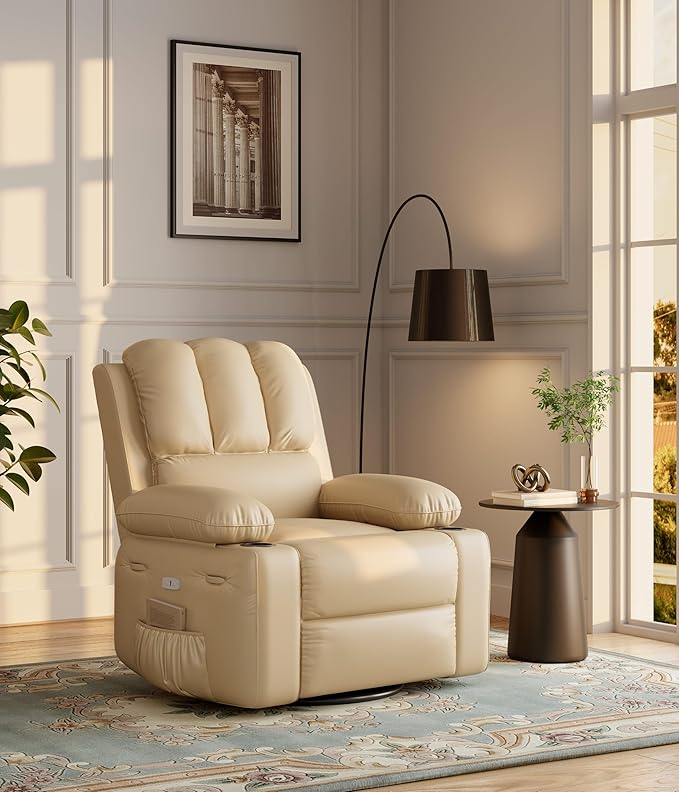
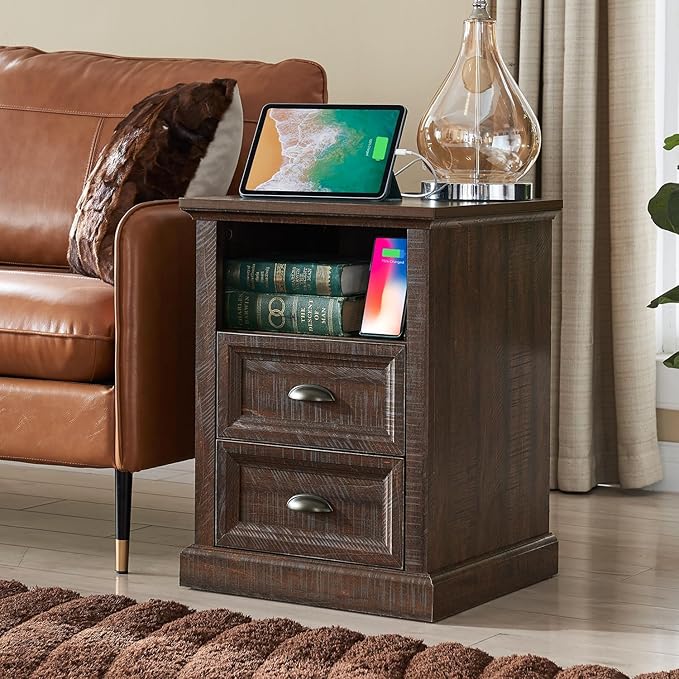
One comfortable accent chair
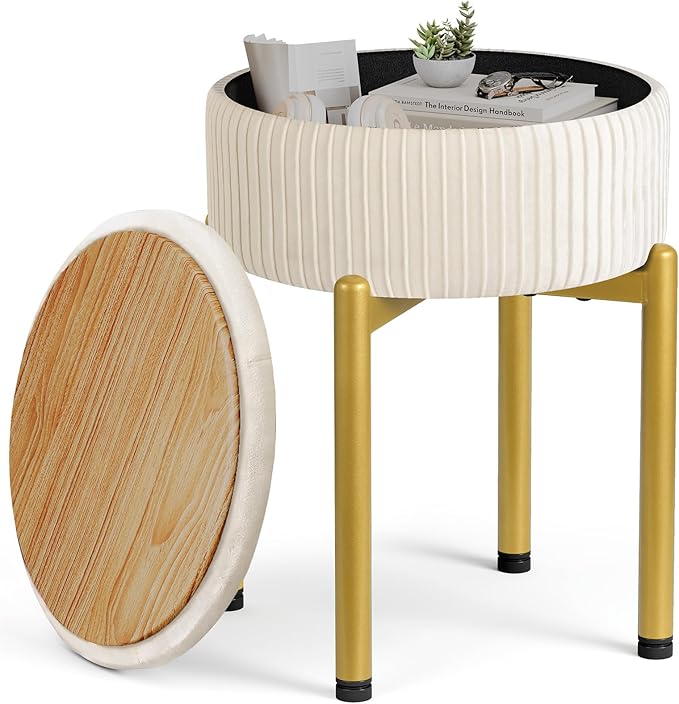
One compact side table
One floor lamp
Add a soft throw and a small stack of books.
Suddenly, a forgotten part of the room has a purpose.
This is one of the simplest ways to make a home feel larger—not because you've added square footage, but because you've created another usable destination.
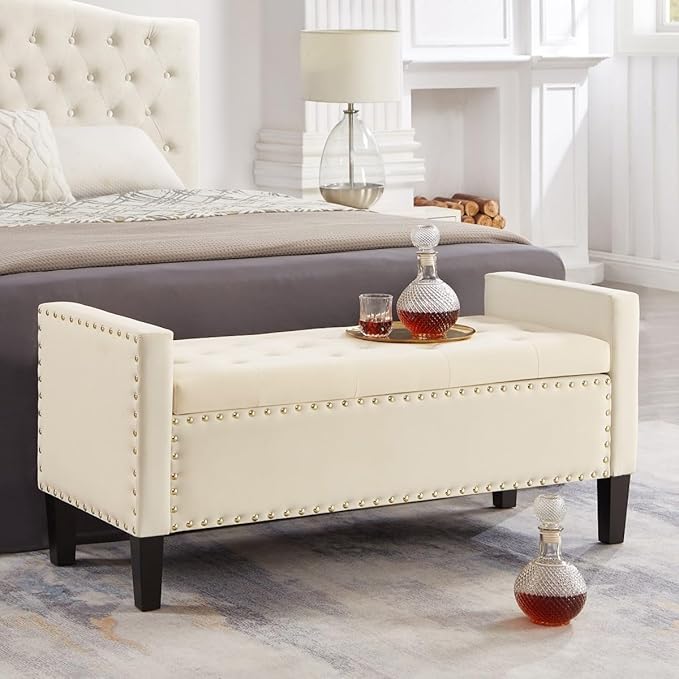
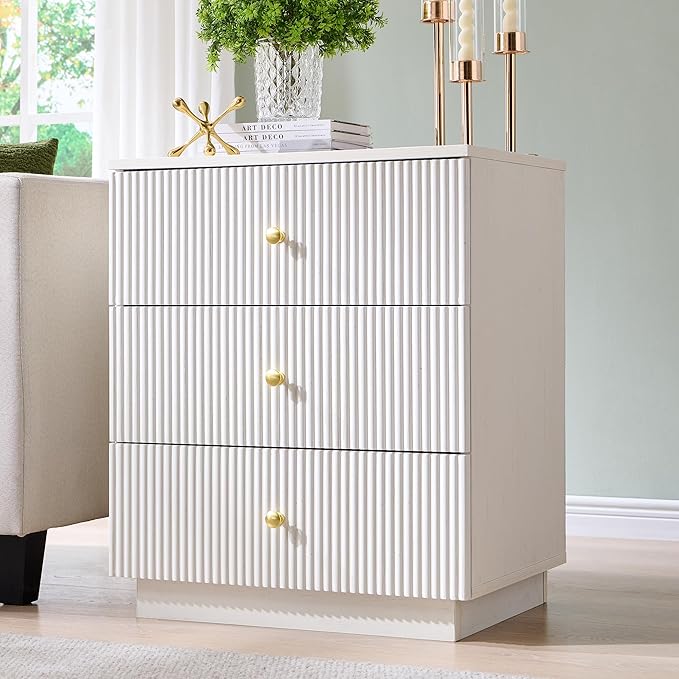
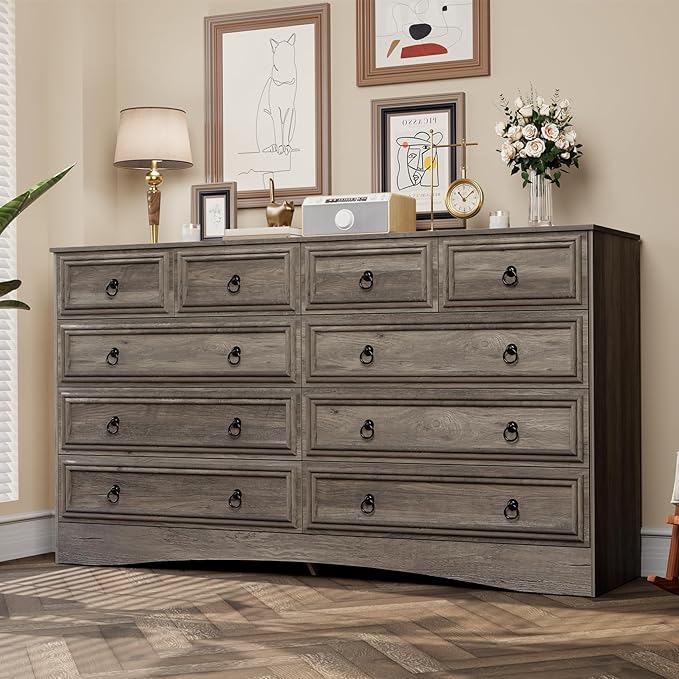
4. Add Closed Storage
Sometimes the best use of an empty wall is hiding the things you don't want to see.
A low storage cabinet can hold:
Games
Electronics
Toys
Table linens
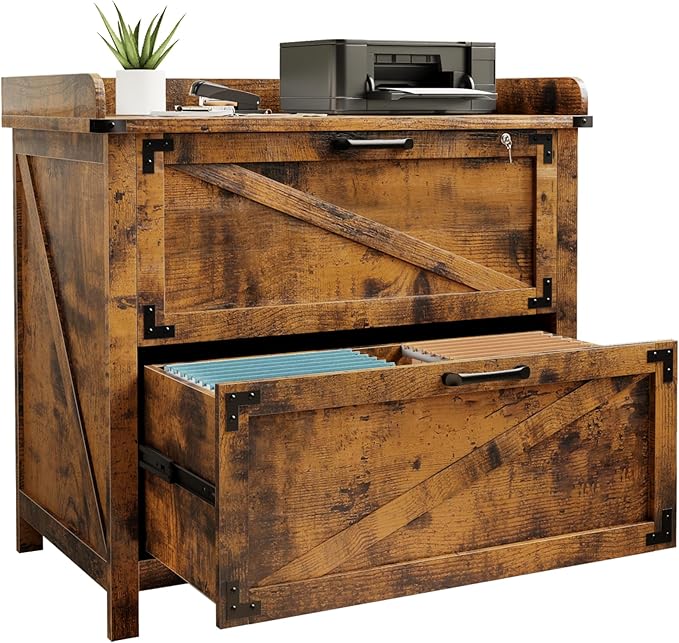
Office supplies
Seasonal accessories
Closed storage is particularly useful in open-concept homes where visual clutter can be seen from multiple rooms.
5. Build a Mini Workspace
You don't always need a dedicated home office.
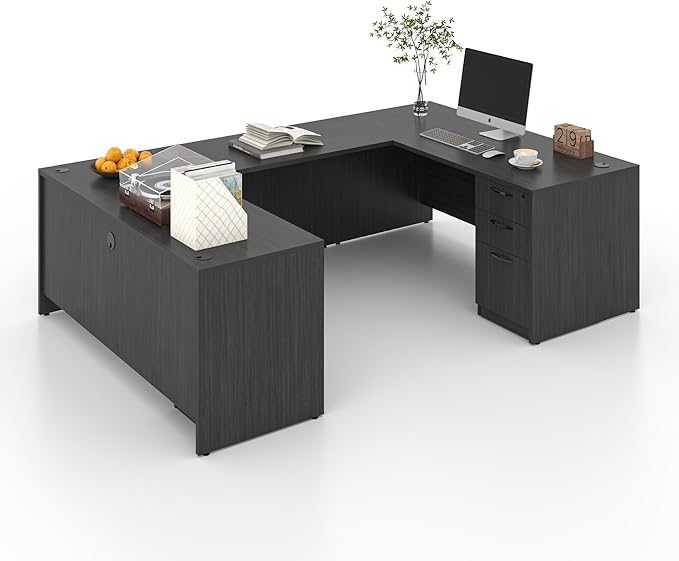
A compact desk against an unused wall can create a functional work area in a bedroom, living room, or dining area.
Choose a desk proportional to the available wall.
Pair it with a chair that can tuck underneath when work is finished.
Vertical shelving above the desk can provide additional storage without requiring more floor space.
6. Create a Display Moment
Not every furniture piece has to solve a major storage problem.
Sometimes a console or bookcase gives meaningful objects a place to live.
Display:
Family photographs
Travel objects
Books
Artwork
Plants
The key is restraint.
Choose fewer objects with meaning instead of filling every available surface.
7. Use the Wall to Define a Zone
In an open floor plan, furniture can create invisible boundaries.
A bookshelf can separate a workspace from a living area.
A console behind a sofa can visually define the living room.
A sideboard can establish where the dining area begins.
Furniture can create architecture without building walls.
BEFORE → AFTER
Before
Blank wall.
No function.
Scattered belongings elsewhere.
Room feels unfinished.
After
Slim console.
Vertical shelving.
Warm lighting.
Organized essentials.
A defined destination.
The biggest difference isn't decoration.
The room simply works better.
Mini Buying Guide
Before buying furniture for an empty wall, measure:
Wall width
Available depth
Walking clearance
Door clearance
Outlet locations
Nearby furniture
A narrow hallway may need a particularly shallow console, while a large living-room wall can support deeper storage.
FurniLive Tip
Don't buy furniture simply because a wall is empty. Give the wall a job first—then choose the furniture.
FAQ
What furniture works best against a long empty wall?
Console tables, bookcases, low cabinets, benches, and compact desks can all work well depending on the function you need.
How do I decorate a wall without making it cluttered?
Combine one furniture piece with a limited number of larger visual elements rather than many small accessories.
Can an empty wall become storage in a small apartment?
Absolutely. Tall shelving and shallow cabinets are especially useful because they increase storage without consuming much floor area.
Should furniture fill the entire wall?
Usually not. Leaving negative space around furniture often makes the room feel more intentional.
Final Thought
Unused space isn't wasted space until you stop imagining what it could become.
Give it a purpose.
Give it personality.
Give it life.
FurniLive — Furniture for Real Living.
Explore
→ Storage & Organization
→ Bookshelves & Display
→ Console Tables
→ Home Office Furniture