A living room can have beautiful furniture and still feel uncomfortable.
The sofa may be too far from the chairs.
The coffee table may interrupt the walking path.
Every seat may face the television instead of the people in the room.
The problem is not always the furniture itself.
Sometimes, it is simply the way everything is arranged.
At Furniture Live, we believe a thoughtful layout can transform an ordinary living room into a comfortable place for conversation, relaxation, and everyday connection.
Begin With the Room’s Main Purpose
Before moving furniture, decide how you want the room to function.
Is it primarily used for:
- Family movie nights?
- Entertaining guests?
- Reading and relaxing?
- Children’s playtime?
- A combination of several activities?
The room’s purpose should guide the layout.
A television-focused room may place the sofa directly across from the media unit. A conversation-focused room may arrange chairs around the coffee table so everyone can see one another comfortably.
When the layout supports your routine, the room becomes easier to enjoy.
Choose a Clear Focal Point
Most living rooms need one main visual anchor.
This might be:
- A fireplace
- A television and media console
- A large window
- A statement sofa
- A favorite piece of artwork
Position the largest furniture piece in relation to that focal point, then arrange smaller pieces around it.
Avoid creating several competing focal points. A clear visual direction helps the room feel calmer and more intentional.
Create a Comfortable Conversation Area
People should not need to raise their voices or turn awkwardly to speak.
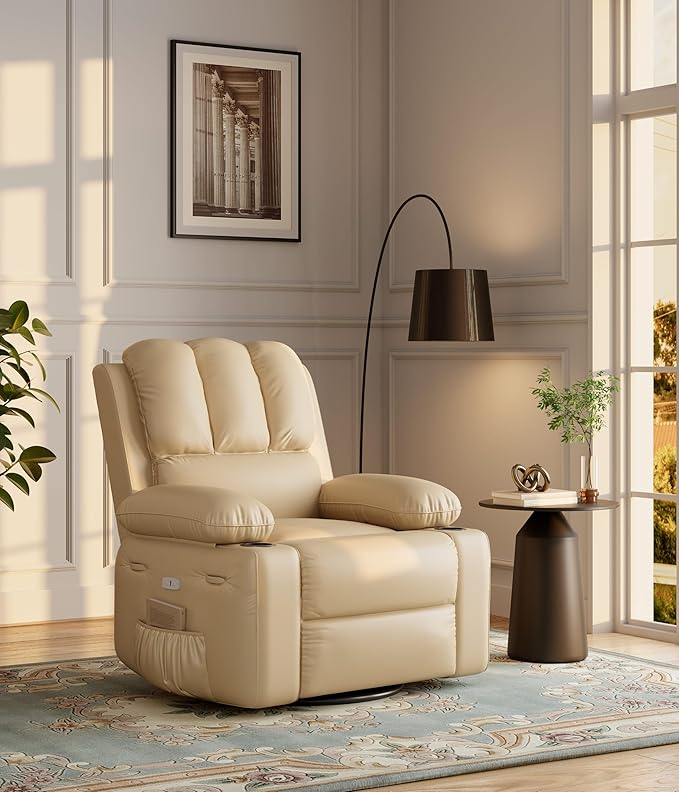
Place sofas and chairs close enough for natural conversation while leaving room for movement. Accent chairs can be angled slightly toward the sofa instead of sitting flat against the wall.
A coffee table or ottoman in the center helps connect the seating pieces and gives everyone a convenient surface.
The goal is to create a group—not a collection of unrelated furniture.
Protect Natural Walking Paths
Comfort also depends on movement.
Avoid placing large furniture where it blocks entrances, doors, or the natural path through the room. Leave enough space between the sofa and coffee table for people to move comfortably.
If the room feels crowded, consider:
- A round coffee table
- Nesting side tables
- Armless accent chairs
- A slim media console
- Furniture with raised legs
These choices reduce visual weight and create a more open atmosphere.
Pull Furniture Away From the Walls
Pushing every piece against the wall may seem like the best way to create space.
However, it can make the center of the room feel empty and disconnected.
Even moving the sofa a few inches away from the wall can create depth. In larger rooms, a sofa can help divide an open floor plan into separate living and dining areas.
Furniture placement should define the room—not simply follow its edges.
Use Side Tables to Improve Everyday Comfort
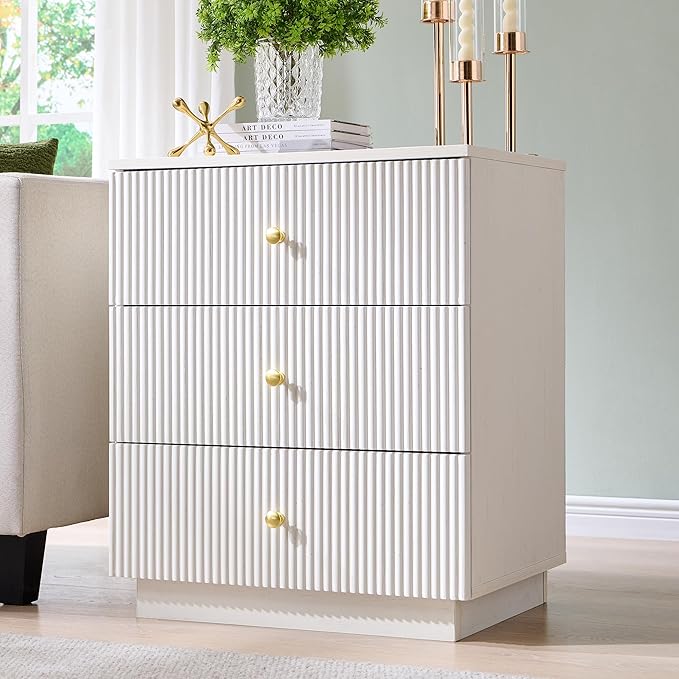
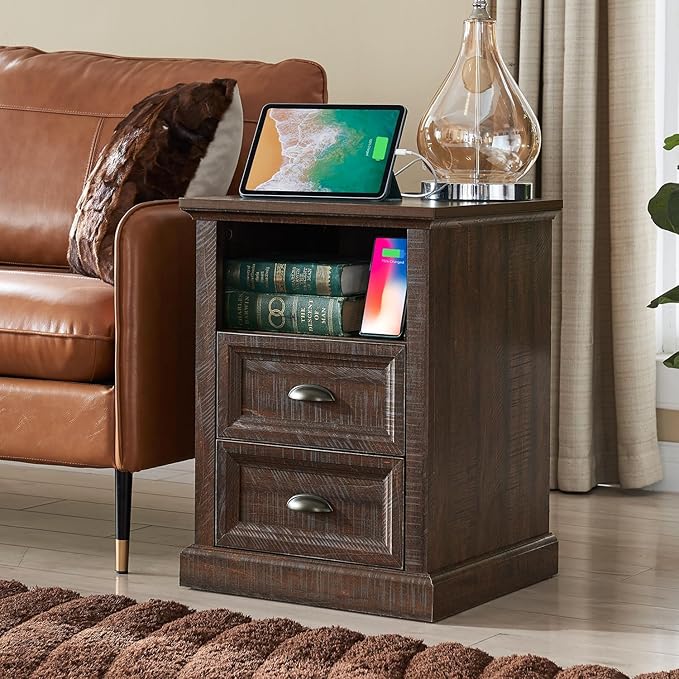
Every major seat should have a nearby place for a drink, phone, lamp, or book.
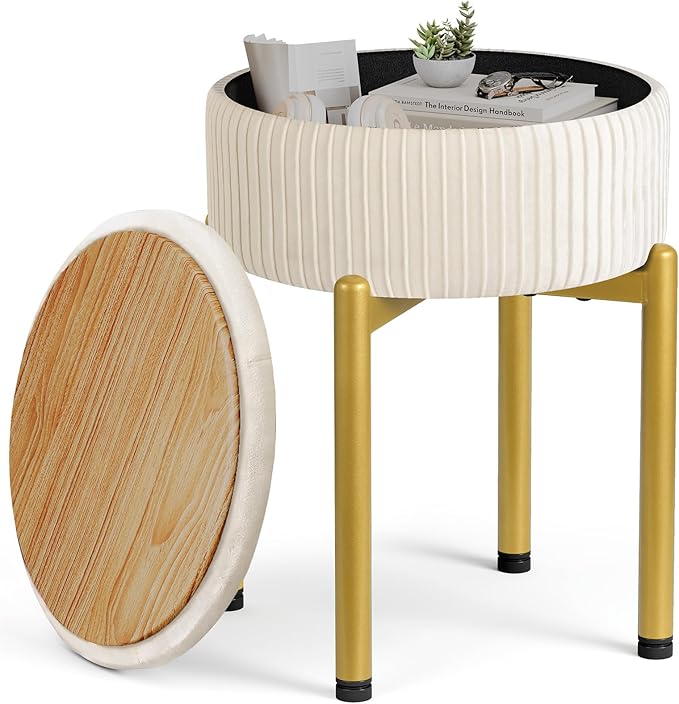
Small side tables make the room more functional without requiring much floor space. C-shaped tables are particularly useful beside sofas because they can slide closer when needed.
These details may seem small, but they greatly improve how comfortable the room feels every day.
Final Thoughts
A better living room does not always require new furniture.
It may simply need better spacing, a clearer focal point, and a layout that encourages people to connect.
Start with how you live. Protect movement. Bring seating together. Then allow each piece enough space to feel intentional.
At Furniture Live, we help you create living rooms that look beautiful and feel even better.
Call to Action
Create a living room that brings everyone together.
Explore:
- Sofas & Sectionals
- Accent Chairs
- Coffee & Side Tables
- TV Stands & Media Units
SEO Meta
Meta Title: How to Arrange Living Room Furniture | Furniture Live
Meta Description: Learn how to arrange living room furniture for better conversation, comfort, movement, and style with practical tips from Furniture Live.