

Live comfortably.
From quiet mornings to crowded movie nights, create a living room ready for everything life brings.
Explore Living room →
Furniture + live
Comfort to sink into. Storage that works harder. Design that makes every room feel more like yours.
Choose a room. Discover what it could become.
From quiet mornings to crowded movie nights, create a living room ready for everything life brings.
Explore Living room →
Build a calmer bedroom around comfort, smart storage, and furniture you will enjoy waking up to.
Explore Bedroom →
Furniture for breakfast, homework, dinner parties, and conversations that last long after the plates are cleared.
Explore Dining →
Create a workspace that supports focus without making your home feel like an office building.
Explore Home office →
Smart storage furniture that gives everyday things somewhere beautiful to belong.
Explore Storage →
Big comfort and smart functionality designed for smaller homes.
Explore Small space →Twelve pieces. Hundreds of ways to live better.
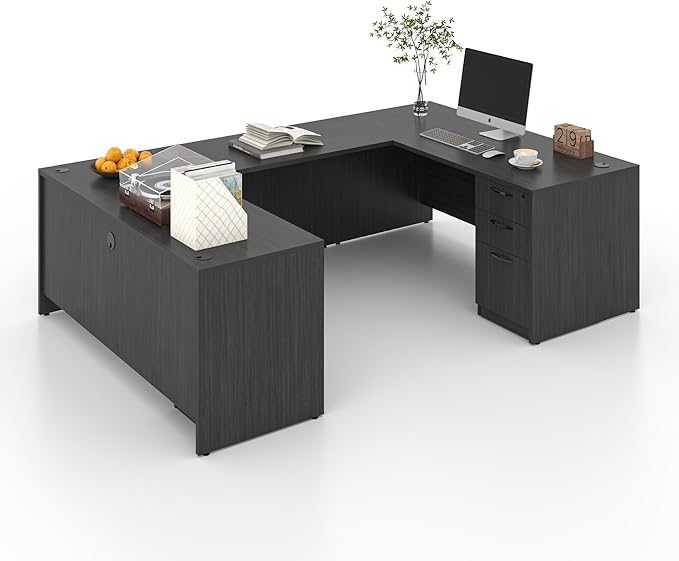
About This ✅ Expansive U-Shaped Executive Desk - Maximize your workflow with this 100...
Shop this piece →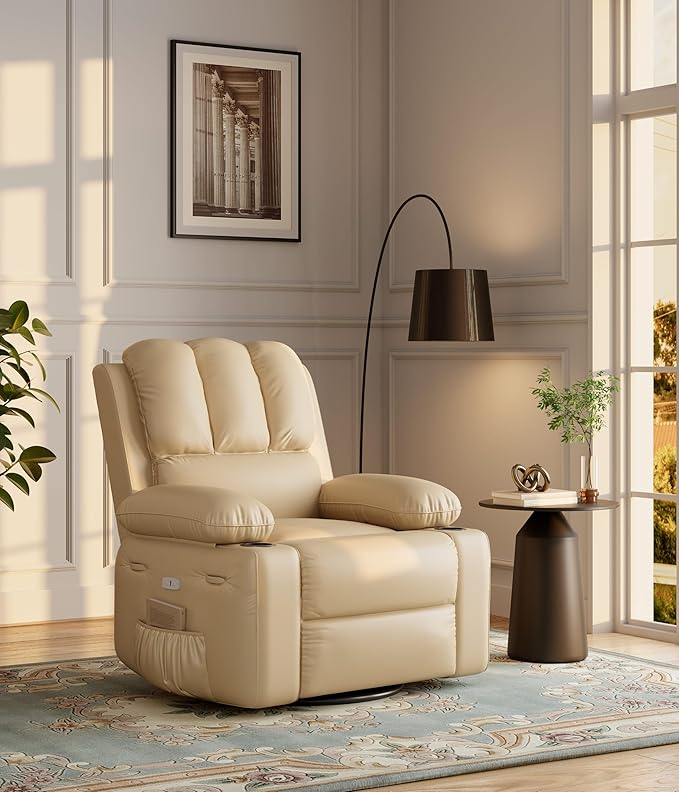
About This 【Versatile Comfort Experience】The Electric Recliner Chair features built-i...
Shop this piece →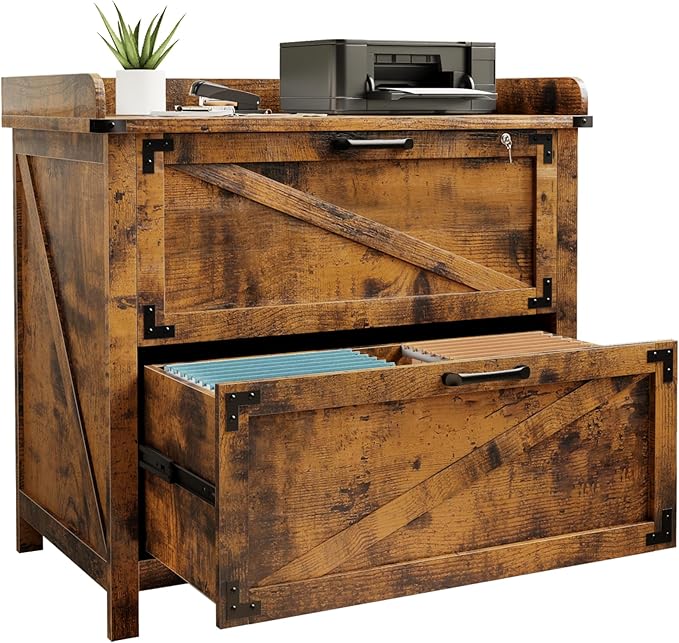
About This 【Stylish Farmhouse Design】This unique farmhouse file cabinet blends modern...
Shop this piece →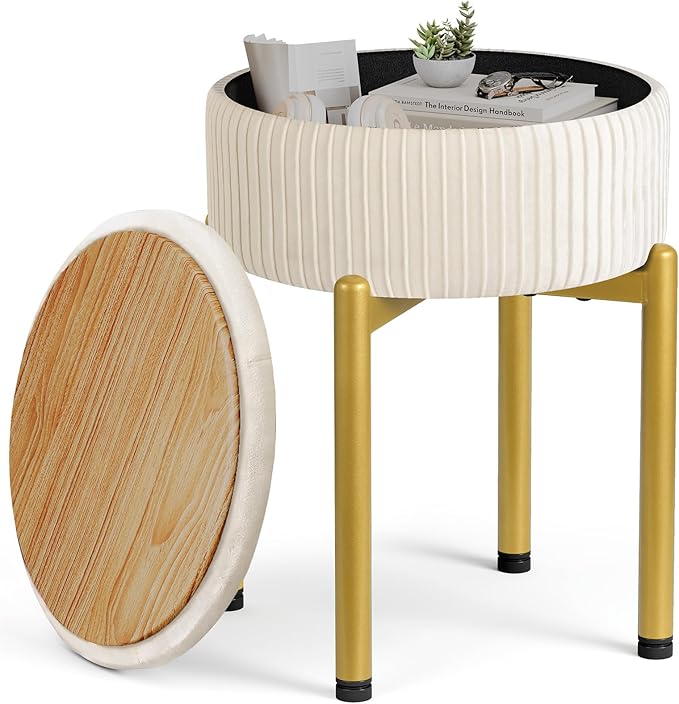
About This 【Multifunctional Storage Stool】 This versatile stool features a removable ...
Shop this piece →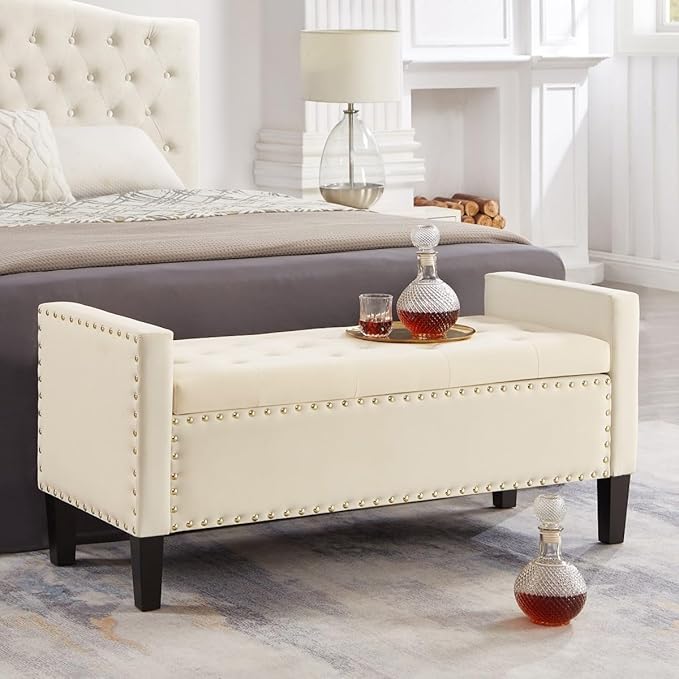
About This Design :Elegant design of this storage bench with armrest, studded nail ac...
Shop this piece →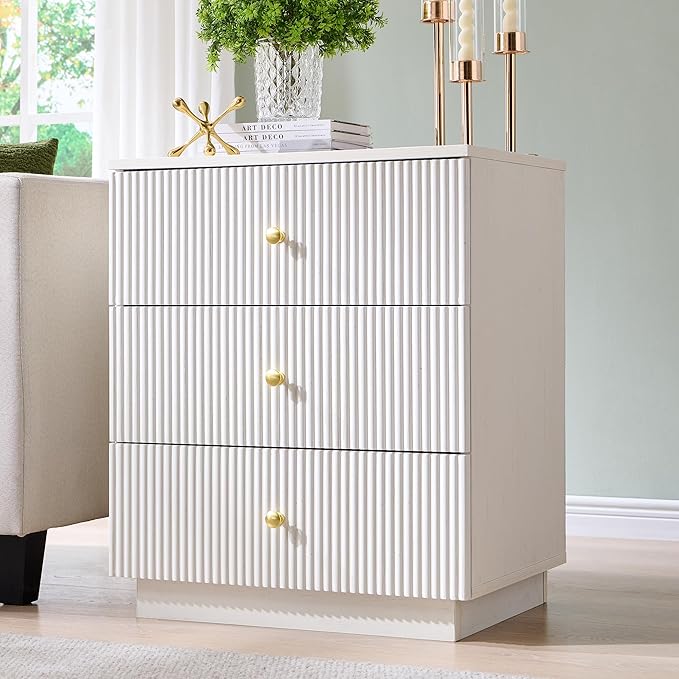
About This Spacious Dimensions & Functional Design:Measuring 15.74" x 21.65" x 25...
Shop this piece →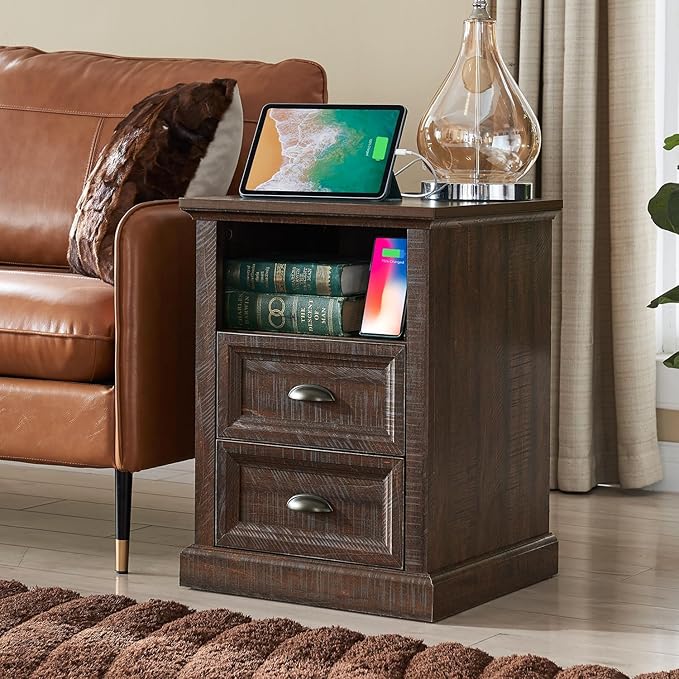
About This Nightstand with Charging Station, 2 Drawer Dresser for Bedroom, Farmhouse ...
Shop this piece →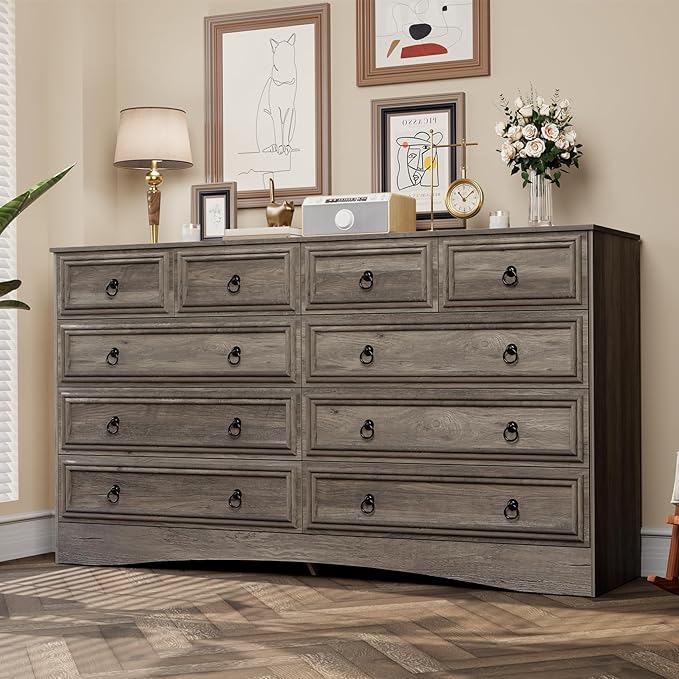
About This 【Ample storage space】 Assembled dimension: 55.12 x 15.75"D x 32.28"H.This ...
Shop this piece →